Loading...

盧米媽開講

文章分類
那些孩子從來沒有忘記的事                                    是我們大人忘了

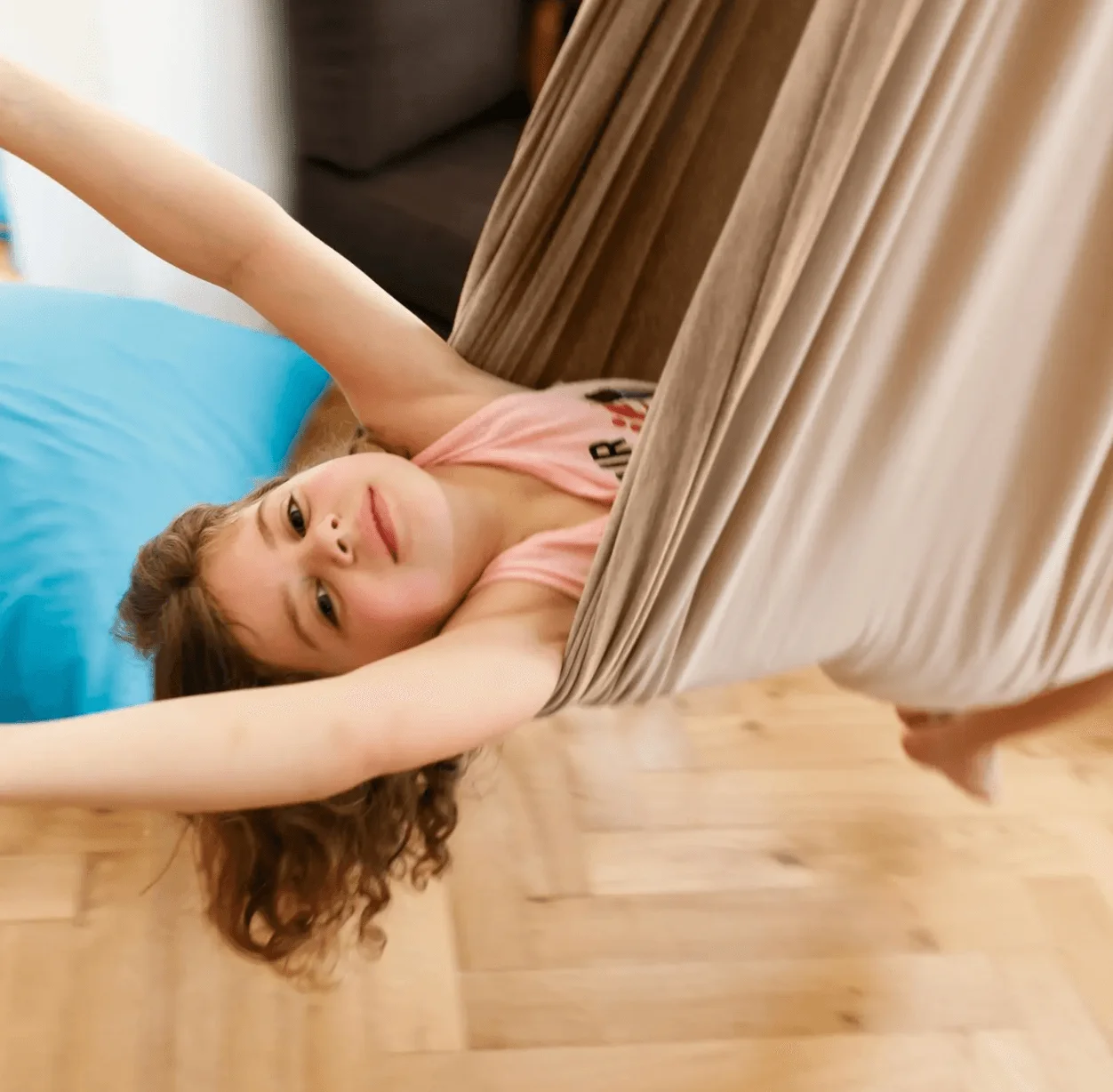
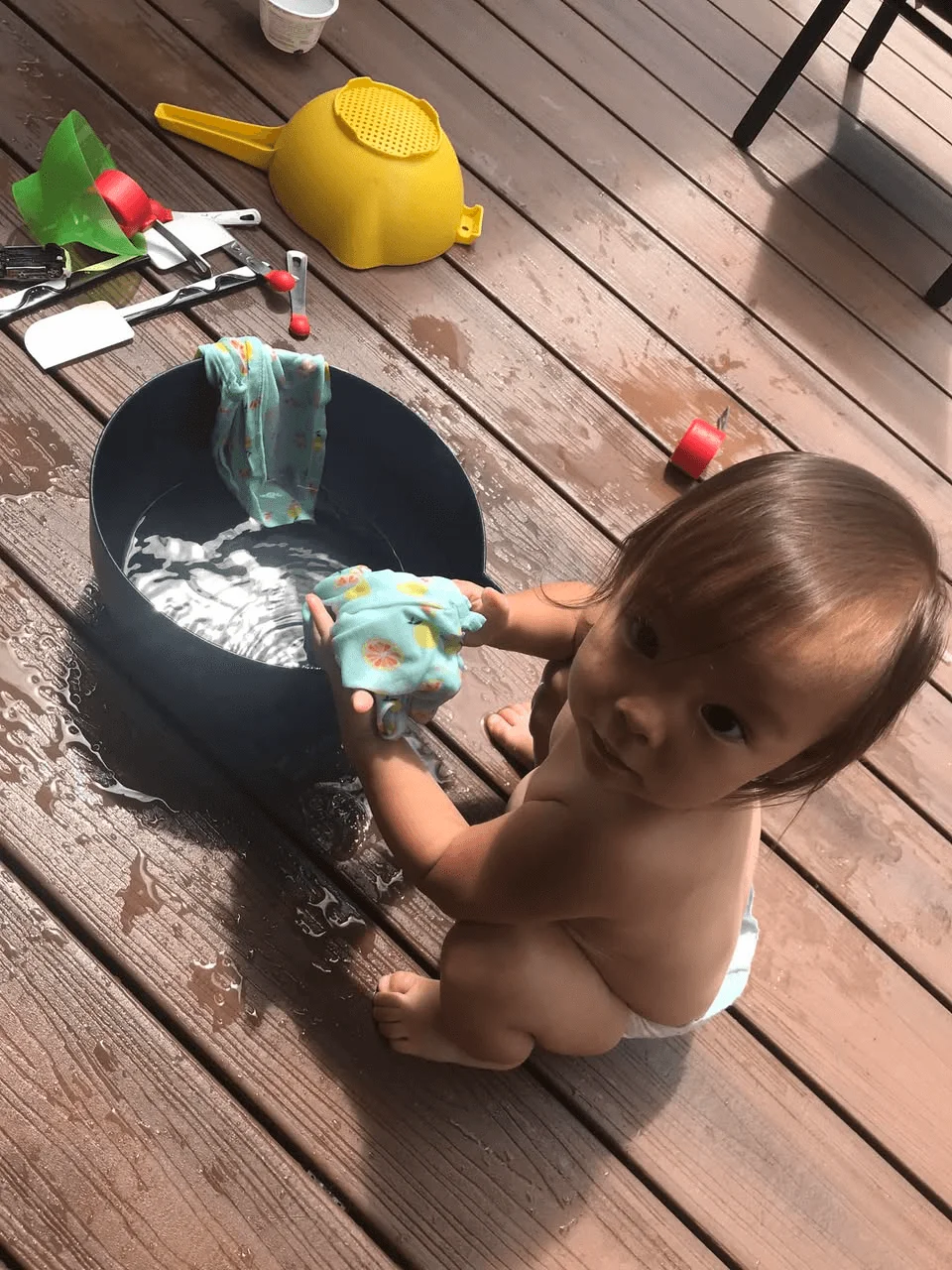
最近讀到一篇文章,作者是 Rae Pica——一位在美國推廣幼兒動作教育超過四十年的資深倡議者。她寫了 22 本相關著作,是這個領域的重量級人物。 文章開頭,她的同事問她:「在這麼多年之後,還要繼續為『幼兒需要身體活動』這件事辯護,是什麼感覺?」 她的回答是兩個字——挫敗。 我看到這裡,停了很久。 因為這份挫敗,我也懂。 她說,1980 年代她剛開始推廣動作教育時,幼教老師們會皺著眉頭說:「孩子已經夠好動了,為什麼還要讓他們動更多?」那時候的大人,至少還願意承認一件事——孩子是好動的、是用身體在認識世界的。 可是四十年後的今天,她說情況反而更糟了。 來自世界各地的幼教工作者跟她反映:現在的孩子,撕不開一張紙、走不到一條街就喊累、坐在椅子上會慢慢滑下來、核心力量弱到無法好好坐直、甚至——不知道該怎麼「玩」。 讀到「不知道該怎麼玩」這六個字,我心裡揪了一下。 這幾年陪著盧米長大,加上接觸這麼多媽媽、這麼多孩子,我越來越強烈地感覺到一件事: 這個世代的大人,把「學習」想得太狹窄了。 我們以為學習是坐在桌子前、是握筆、是認字、是把字母背得滾瓜爛熟。我們以為「越早開始越好」,於是把孩子越來越早推向書桌,越來越早推離地板、推離草地、推離那些看似「沒在學什麼」的時光。 但孩子的身體,從來不是用來「等大腦發育完才開始用」的器官。 孩子是先用身體認識世界,才有辦法用頭腦理解世界的。 爬、滾、跳、攀、平衡、跌倒、再爬起來——這些動作不是消耗體力而已,是在建構他的本體覺、前庭覺、空間感、專注力,甚至是他未來能不能好好坐在椅子上聽課的能力。 一個沒有走過很多路的孩子,未來很難安穩地坐很久。 一個沒有爬過很多東西的孩子,未來握筆的力量會不夠。 一個沒有在地板上盡情翻滾過的孩子,他的身體中線整合會出問題,影響的是閱讀、是寫字、是他怎麼用兩隻手協調做事。 這些不是危言聳聽,是身體發展的基本邏輯。 可是現在的我們在做什麼呢? 擔心外面危險,所以孩子留在室內; 怕弄髒、怕受傷,所以遊戲被簡化; 覺得「動」是浪費時間,所以塞給他平板、塞給他學習單、塞給他一堆「看起來很有產值」的活動。 然後我們回過頭問:為什麼孩子不會玩?為什麼孩子坐不住?為什麼孩子情緒這麼大? 因為他的身體,沒有被好好地用過。 Rae Pica 在文章最後說,她依然抱持希望。因為這幾年,她不再孤單了——社群媒體上,越來越多人開始為孩子發聲,為「符合發展」的教育方式發聲。 我也想成為這樣的人之一。 所以我想很認真地跟看到這篇貼文的妳說: 請讓孩子動。 不是去上才藝課的那種動,是赤腳踩草地、是在公園爬到滿身泥、是在客廳地板上鋪滿玩具滾來滾去的那種動。是「沒有目的」的動,是「看起來什麼都沒在學」的動。 那才是他這個年紀,最該做的事。 我們不需要把童年填滿,我們只需要把空間留出來,讓他用身體去認識這個世界。 孩子從來沒有忘記怎麼當一個孩子, 是我們,忘記了怎麼讓他當一個孩子。 🤍

繼續閱讀
我們給他的,不只是玩具

你知道孩子的前七年,有多麼重要嗎? 學齡前的塑形對未來的身心都是有著深刻的連結。 在孩子生命最初的七年裡, 他們並不是用「理解」來學習世界的。 魯道夫・史代納形容, 七歲以前的孩子,整個人就是一個感官器官:一隻眼睛。 他不是在聽你說了什麼、教了什麼, 而是在無聲默默地看見、感受、吸收著他身邊的一切。 環境的色彩、節奏、觸感, 大人說話的語氣、動作的速度、情緒的狀態, 都會完整地進入孩子的身體與內在世界。 這也是為什麼,我們為孩子選擇的玩具, 不只是「好不好玩」, 而是它是否能成為一個安靜、可信任的世界縮影。 在這個階段,孩子並不會用理性去判斷對錯, 而是整個人完全承接環境所帶來的狀態。 如果周圍充滿急促、焦躁、過度刺激, 這些都會悄悄進入孩子的呼吸、血液循環與身體節奏中。 相反地,當環境是溫和的、有秩序的、可以慢慢探索的, 孩子的身體與心,也會自然安定下來。 一個好的玩具, 不是指令多、聲光多、或是吸引眼球, 而是能讓孩子長時間專注、自由想像、反覆操作。 在這樣的遊戲中, 孩子不是被娛樂,而是在建構自己的內在世界。 我們給他的,不只是玩具 史代納提醒我們: 在孩子七歲以前, 真正影響他的,不是教育,而是大人的存在方式。 孩子會模仿語言, 但他更深刻模仿的是—— 我們如何說話、如何對待物品、如何慢下來、如何面對情緒。 而玩具,正是孩子每天反覆接觸、模仿與內化的「無聲老師」。 當玩具是真實的、溫潤的、有重量與質感的, 孩子也會學會溫柔地對待世界。 我們始終相信, 選擇玩具,其實是在為孩子選擇一種他願意長久居住的世界樣貌。 願我們為孩子留下的, 不只是玩耍的回憶, 而是一份可以陪伴他一生的內在安定。

繼續閱讀
為什麼『儀式感』這麼重要?

最近讀了一本書「Memory making mom」 主要是在說「家庭儀式感」 之前我就曾寫過「儀式感」對家庭的重要性,在孩子的成長過程中擔當相當重要的責任,因為在他們長大之後,記得的不是那些聖誕禮物,記得不是去過多少地方、玩過多少東西,而是那些每年、每月、每週,甚至是每日爸爸媽媽、親戚朋友一起做的那些「傳統」,那些「固定行程或計劃」。 怎麼把儀式感帶入你的家庭,跟著你們家的生活形式走,是需要大家討論,哪些行程可以變成儀式? 每年儀式: 夏天的一些小鎮節慶 冬天的德國小鎮或雪山之旅 感恩節的大餐 挑選聖誕樹並一起裝飾 與家人一起開禮物過聖誕 回台之旅 每月儀式: 與朋友一起聚餐玩耍 與家人一起吃飯 每週儀式: 上教會做禮拜 週末晚上邊看電視邊吃雞塊或水餃 一起去採買 更換睡房的光影燈圖片 每日儀式: 睡前的親子共讀及禱告 每天看光影燈說睡前故事 出門前的擁抱和親親 以上這些是盧米家 @annienoch11 的儀式,我相信也是盧米長大之後會永遠記得的「小事情」(因為我老公就是這樣子長大的,他到現在還是很享受著把這傳統延續到自己的女兒們身上) 希望你們家也有屬於自己的儀式,如果沒有也沒關係,一點也不遲,在這美好的聖誕感恩季節,建立屬於你們的儀式感吧!

繼續閱讀
想像力玩法為什麼這麼重要?

每次週末的早晨,盧米通常都會比我們早起。他們不會叫醒我們,而是自己跑去遊戲間,開始屬於他們「想像力的一天」。 為什麼這麼說呢?因為當我們起床的時候,滿地的玩具就證明了:在這一個小時裡,他們不知道說了多少故事、演了多少戲、吵了多少架,甚至解決了多少問題。 在我們家,想像力的玩法一直是不受限制的。為什麼它這麼重要?因為在過程中,孩子會學習到協調、解決問題,並透過想像去創造屬於自己的世界。 當然,身為大人的我們,有時候會心裡喊:媽呀,我有好多事情要做,我真的沒有辦法坐在這裡再陪你當一次公主!甚至會忍不住想:我到底一個禮拜要當幾次公主啊?這故事到底有完沒完啊? 但是你知道嗎?這對孩子來說很重要。因為當一個孩子缺乏想像時,他的人生會變得很無趣。而想像力絕對不是從書本或學校裡學得來的,因為沒有人會特別教你「怎麼想像」——社會只會教你最真實、最現實的一面。 我也發現,現在的孩子普遍缺乏想像力,有一個很大的原因就是他們不太能經歷「無聊」。因為3C和外在環境給予他們太多的刺激與娛樂,讓他們覺得無時無刻都需要被關注、需要找事情去做。 但仔細想想,想像力往往就是在「空隙」中發生的。身為家長的我們,不需要刻意把孩子的時間填滿,更不必承擔「他們不能無聊」的責任。當孩子對你說「我好無聊」的時候,其實你可以給他們一點想法,但接下來的抉擇與行動,就交給他們自己。 我自己嘗試了大概快4 所以,千萬不要因為一開始覺得無聊、不想陪,或是因為故事的重複與瑣碎就放棄,甚至急著要求孩子去做別的「你覺得更有意義」的事。 那麼,你們家的孩子最喜歡發揮想像力的活動是什麼呢?他們創造過哪些獨一無二的遊戲呢?歡迎在留言跟我分享!

繼續閱讀
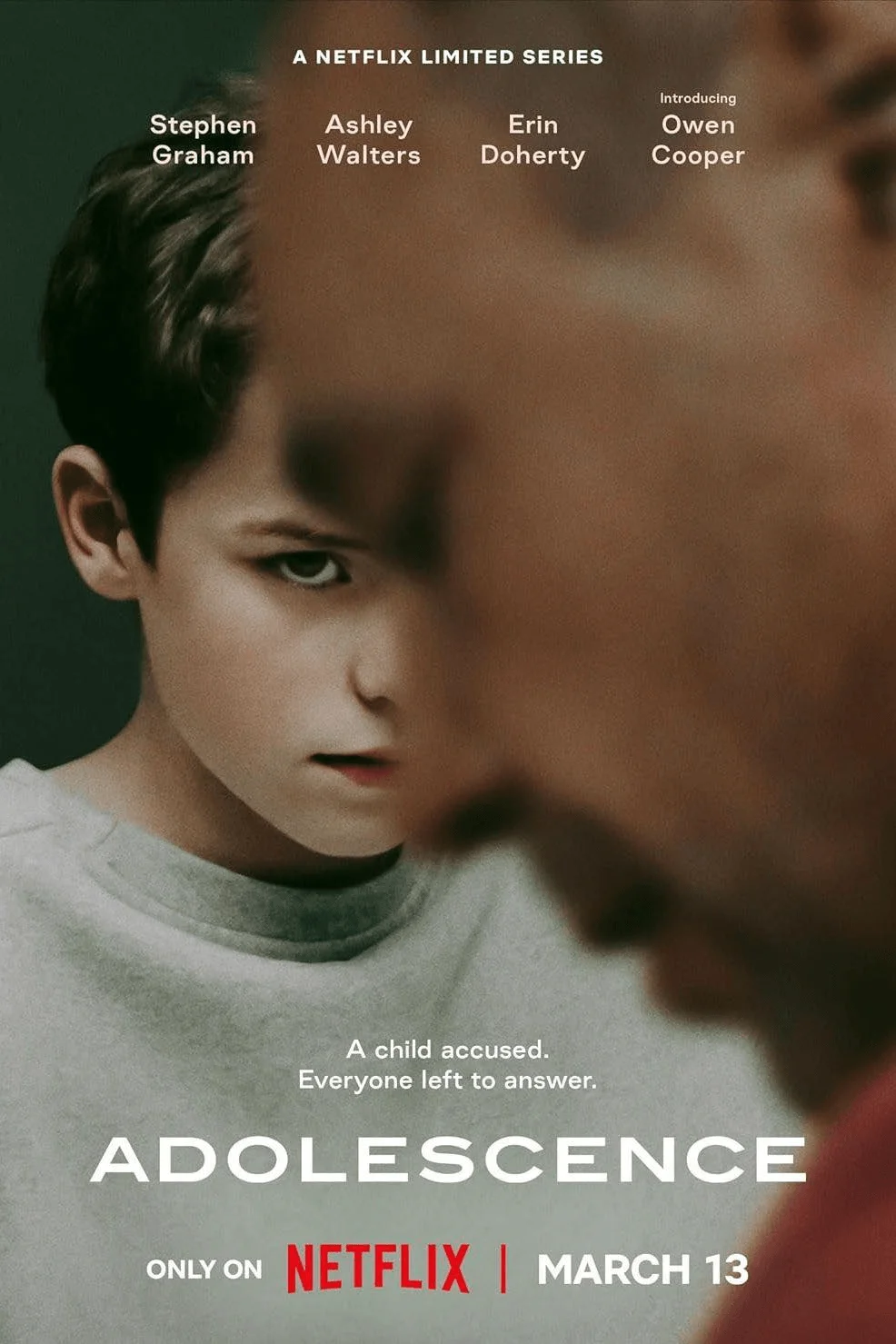
《混沌少年時》X《失控的焦慮世代》:當孩子被網路追著跑,我們該怎麼辦?

連假有追劇嗎?還是被孩子追?🤣 我是一個很少追劇的人,通常我看的劇是我有興趣的話題,我才會花時間觀看。 最近看完評價很高的《混沌少年時》,加上前陣子也閱讀完了另一本讓我大推的書——《#失控的焦慮世代》(The Anxious Generation)。 這本書談到了現代孩子為什麼比以往更焦慮、更脆弱,甚至更容易迷失在社群媒體的世界裡。作者點出了一個殘酷的現實:我們這一代的孩子,可能是人類歷史上最孤獨、最焦慮的一代,而這一切與我們給他們的「數位生活」息息相關。 這讓我想到《#混沌少年時》裡的那位少年——他的選擇、他的掙扎,還有IG、臉書等等社群媒體的推波助瀾,真的讓人不寒而慄。這些故事不只是劇情,而是我們天天正在面對的現實。 現在的孩子,每天都活在資訊爆炸的世界裡,他們無時無刻都在接收來自網路的內容,但這些內容是真是假?而且真的是他們能夠承受的嗎?是否安全呢? • 我們的孩子在社群媒體上接觸到的是什麼? • 他們如何區分虛擬世界與現實? • 當社群言論比家長的聲音更具影響力時,我們應該怎麼做? 我記得在劇中爸爸當時詢問媽媽,難道我們有做錯任何事嗎?媽媽說我們沒有,但是我們創造了他,我一直以為他放學回家直接進房間在房間裡就是安全的,但是我沒有想到網路上的世界是這麼的危險。 而最後,爸爸問媽媽:「How we create her?」而媽媽的回答是:「The way we created him.」這句話真的讓我眼淚直流,因為我們終究無法陪孩子到最後一步,我們能做的,只有幫助他們建立分辨是非的能力,最終還是他們自己去做出選擇。(劇中有兩位孩子) 如果你還沒看過這部劇,或是這本書,我真的誠心推薦。身為家長,我們需要更了解這個時代對孩子的影響,也要學習如何幫助他們應對這個資訊過載、焦慮蔓延的世界。 你們有看過這部劇或這本書嗎?對於社群網路對孩子的影響,你們有什麼看法呢?留言跟我分享吧! Binge-watched during the long weekend? Or were you the one being chased by your kids? 🤣 I’m not someone who often binge-watches shows, unless it’s a topic that really interests me. Recently, I watched the highly rated series Adolescence, and not long before that, I finished reading a book I can’t recommend enough — The Anxious Generation by Jonathan Haidt. The book explores why today’s children are more anxious, fragile, and easily lost in the world of social media compared to past generations. The author points to a harsh truth: this generation may be the most lonely and anxious in human history, and a big part of that is tied to the digital lives we've given them. It reminded me so much of the teen in Adolescence — his choices, his struggles, and how platforms like IG and Facebook intensified everything. It was honestly chilling. These aren't just fictional stories — they reflect the reality many of us are facing every single day. Kids today live in an age of constant information overload. They're endlessly absorbing content from the internet. But how much of it is true? Is it safe? Is it even something their minds and emotions are ready to handle? 🌀 What are our children being exposed to on social media? 🌀 How can they tell what’s real and what’s not? 🌀 And what do we do when the voices online are louder than ours as parents? There’s one scene in the show that really stayed with me. The father asks the mother, “Did we do something wrong?” She replies, “No. But we created him.” She thought that once their child came home from school and went straight to their room, they were safe. But she never imagined that the online world could be so dangerous. And then comes the line that broke me: Father: “How did we create her?” Mother: “The same way we created him.” That hit me hard. Because the truth is, we won’t be able to walk every step of the journey with our kids. The best we can do is help them build the tools to navigate the world, to know right from wrong, and to make their own choices — even when we’re not there. If you haven’t watched this series or read this book yet, I sincerely recommend both. As parents, we need to understand the impact this digital age has on our children and learn how to support them in a world that’s overflowing with content, pressure, and anxiety. Have you seen the show or read the book? What are your thoughts on how social media is shaping this generation? I’d love to hear your perspective — feel free to share in the comments! 💬 #TheAnxiousGeneration #TheChaosOfNow #ParentingInTheDigitalAge #SocialMediaAndKids #MentalHealthMatters #ParentReflection #RaisingStrongKids

繼續閱讀
為什麼「玩」對孩子的大腦發展這麼重要?

你有沒有發現,有些孩子天生好奇、愛探索,學東西很快;有些孩子則不太願意嘗試新事物,學習速度也較慢?這其實跟「玩」的經驗有很大關係。 在大腦發展的關鍵時期(0-6歲),孩子透過遊戲來刺激神經連結,這影響他們的認知能力、社交發展、情緒管理,甚至未來的學習能力。簡單來說,玩不是浪費時間,而是大腦成長最重要的養分! 1. 玩,讓孩子的大腦建立更多連結 孩子的大腦在嬰幼兒時期發展得非常快速,特別是神經元之間的連結(突觸)會因為不同的刺激而增加。 ✅ 例如: • 拼圖、積木 → 訓練邏輯思維與空間感 • 角色扮演遊戲 → 促進語言發展與社會互動 • 跑跳、攀爬 → 刺激前庭覺發展,提升專注力 這些遊戲幫助大腦建立不同的「思考路徑」,讓孩子未來在學習新知識時更能舉一反三。 ⸻ 2. 感官刺激 = 更靈活的大腦 孩子透過五感探索世界,這些體驗能讓大腦更靈活,處理資訊的能力更強。 ✅ 例如: • 玩水、沙、黏土 → 促進觸覺發展,幫助情緒調節 • 探索不同聲音、音樂 → 刺激聽覺,影響語言能力 • 觀察光影變化、顏色搭配 → 強化視覺辨識與創造力 所以,有些家長會覺得孩子「只是玩」,但其實他們的大腦正在進行高效學習! ⸻ 3. 開放式遊戲,讓孩子更有創造力 開放式遊戲(Open-ended Play)指的是沒有固定玩法的遊戲,例如積木、磁力片、積木軌道等,孩子可以自由發揮創意,不受既定規則限制。 這類遊戲能訓練問題解決能力,讓孩子學會思考「還有什麼可能性?」 這對未來的學習能力和創新思維有極大的幫助。 ✅ 舉個例子: 兩個孩子拿到同樣的磁力片,有的孩子會照說明書搭建房子,而有的孩子會試著拼成橋、球道,甚至和樂高結合。這就是創造力的展現! ⸻ 4. 社交遊戲,幫助孩子學會情緒管理 孩子透過角色扮演、合作遊戲來學習換位思考、協調與解決衝突,這對未來的人際關係至關重要。 ✅ 例如: • 玩扮家家酒時,他們學會照顧「娃娃」,培養同理心 • 跟朋友一起搭建積木時,他們學會溝通、分工合作 • 玩角色扮演遊戲時,他們練習不同情境下的情緒調節 這些能力,都是學校課本無法教的,但卻決定了孩子未來如何與人相處。 ⸻ 5. 運動型遊戲,讓孩子更能專注與穩定情緒 你有沒有發現,越常運動的孩子,注意力通常比較好,情緒也較穩定? 這是因為運動型遊戲(如奔跑、跳躍、攀爬)能促進大腦前額葉發育,而這部分掌管專注力、自控力與情緒管理。 所以,如果你的孩子上課容易分心、坐不住,或是容易情緒崩潰,很可能是因為平時的感統刺激不足。讓孩子多跑跑跳跳,不只是「放電」,更是幫助他們學會控制自己的情緒。 ⸻ 結論:玩,才是孩子最重要的學習方式! 很多人以為「玩」只是娛樂,但其實它是孩子大腦發育的關鍵。一個經常透過遊戲探索世界的孩子,在語言、思維、情緒、人際關係等各方面,都會發展得更好。 所以,與其擔心孩子「玩太多」,不如思考——他玩的內容夠豐富嗎?有沒有提供足夠的感官刺激?有沒有讓他自由探索、創造? 讓孩子多玩,玩得有深度,他的未來就會更有競爭力! Have you ever noticed that some kids seem naturally curious, eager to explore, and quick to learn—while others are more hesitant to try new things and take longer to grasp new skills?A big part of this difference comes down to their play experiences. During the critical developmental period from ages 0 to 6, a child’s brain builds neural connections at a rapid pace. And play is one of the most powerful ways to stimulate these connections, influencing everything from cognitive ability, social skills, emotional regulation, to future learning potential.In short—play isn’t a waste of time; it’s brain food! 1️⃣ Play Builds More Brain Connections In early childhood, the brain develops rapidly, especially the synapses—the connections between neurons—which grow in response to different types of stimulation. ✅ For example: Puzzles and building blocks → develop logical thinking and spatial awareness Pretend play → promotes language development and social interaction Running, jumping, climbing → stimulate the vestibular system, improving balance and focus These types of play help form various “thought pathways” in the brain, making it easier for children to transfer knowledge and think creatively in the future. 2️⃣ Sensory Play = A More Flexible Brain Children explore the world through their five senses, and each experience helps make their brain more adaptable and responsive to information. ✅ For example: Water, sand, and clay play → enhances tactile development and emotional regulation Exploring different sounds and music → stimulates auditory processing and supports language learning Observing light, colors, and shadows → improves visual recognition and sparks creativity So even when it looks like kids are “just playing,” their brains are actively learning at high speed! 3️⃣ Open-Ended Play Fuels Creativity Open-ended play means play without fixed rules or outcomes—like using magnetic tiles, building blocks, or train tracks. Children can explore freely, combine ideas, and think beyond instructions. This helps them develop problem-solving skills, and more importantly, the mindset of “What else can I try?”—a vital skill for both academic learning and future innovation. ✅ Example:Two kids receive the same set of magnetic tiles. One builds a house following the instructions. The other creates a bridge, a marble track, or even mixes it with LEGO. That’s creativity in action! 4️⃣ Social Play Teaches Emotional Intelligence Through pretend play and cooperative games, children learn how to take different perspectives, resolve conflicts, and navigate social situations—skills essential for healthy relationships. ✅ For example: Playing house teaches empathy as they “care for” dolls Building blocks with friends teaches communication and teamwork Role-playing different characters helps with emotional expression and regulation These are things no textbook can teach—but they shape how a child connects with others throughout life. 5️⃣ Active Play Improves Focus and Emotional Control Have you noticed that kids who move a lot often focus better and stay calmer?That’s because physical play like running, jumping, or climbing promotes the development of the prefrontal cortex—the part of the brain responsible for attention, self-control, and emotional regulation.

繼續閱讀

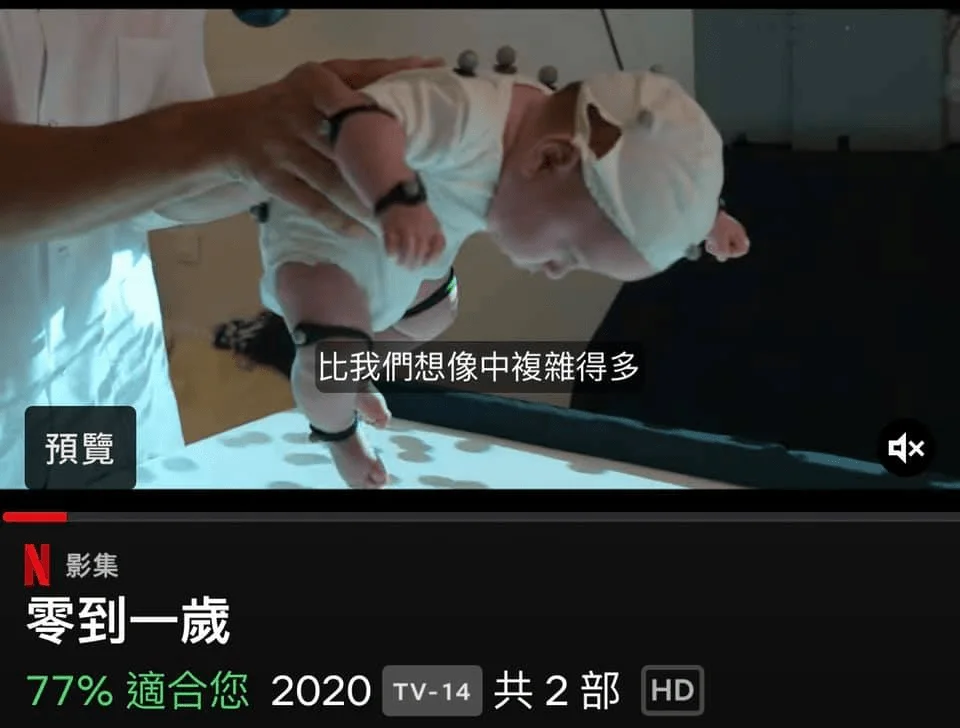
Netfilx紀錄片:零到一歲

Netfilx紀錄片:零到一歲 人類的大腦發展最快的時期就是在0-3歲,所以0-3歲的小孩學習力超級無敵快,但是不代表你就開始叫他「學習」,因為小孩學得最快的方法就是玩,「玩是小孩的天性」,也是他們在整個過程中學習不同技能的方法。 蠻多人跟我說我的育兒方式有點類似蒙特梭利,其實我覺得不管怎麼樣子的一個方法,都有他的優缺點,就像睡眠訓練一樣,找出每一個方法最適合自己小孩的,慢慢地去摸索,才是最正確的。而且有時候隨著年紀的增長改變,可能去改變自己育兒的方法也是可以的。但是唯一不變的,就是小孩本身的天性,小孩早上眼睛一整開就是要玩,怎麼樣帶他們玩、用什麼方式玩、加入什麼樣子的教具跟玩具去玩,可以刺激他們的大腦發展和肢體協調性,所以蒙特梭利有一句話說: Play is the work of child! 另外還有另一句話:Follow your child. 其實,我真的就是靠著兩句去帶領他們玩遊戲的,只是前提是,媽媽的心臟要夠強,敢讓他們玩髒! 當然除了玩之外,必須加上適當的小睡休息,能讓他們在清醒的過程當中學習的東西,能夠在睡覺的時候,經過大腦的統整、消化、吸收,等他們小睡起來之後,之前玩的技巧就會更加純熟,這不是我在唬爛,是真的有科學研究的。(所以….我對小睡這件事情非常的重視)至於已經沒有小睡的小孩,像是米拉我就會安排quiet time,這段時間將近一個小時,他必須留在自己的房間看書,或是之前我有做過每天不同的quiet bag(到時候可以再跟你們分享),讓他們有一個小時的時間安靜自己,去沉澱一下一整個早上那種持續興奮的心情,和媽媽也有一個小時的時間重新充電一下自己,繼續下午的搏鬥⋯⋯ 推薦大家去看一下Netflix 之前有出的一部紀錄片,叫做「零到一歲」,總共有兩部,每一部大概只有四到五集而已,我把整套都看完了,非常有科學實證的研究小孩第一年的大腦發展。 有興趣的媽媽們可以沒事看一下喔!(就是把追劇的時間可能撥一點點來看一下這個,哈哈哈哈😄) #Netflix #Braindevelopment #小孩無限潛能 #naptime #Montessori #parenting 圖片來源: Netflix Netflix Documentary: Babies The human brain develops the fastest between 0-3 years old, making this stage a critical period for learning. However, this doesn’t mean you should start pushing your child to “learn” in a structured way. The best way for young children to learn is through play—because play is their natural instinct and the way they develop different skills. Many people have told me that my parenting style is somewhat similar to Montessori, and while I do appreciate its approach, I believe that every method has its pros and cons—just like sleep training. The key is to find what works best for your child and adjust as they grow. Flexibility is key! One thing that never changes, though, is a child’s natural desire to play. The moment they wake up, they are ready to explore! The real question is: How do we guide them through play? What kinds of toys and learning materials can help stimulate their brain and motor coordination? As Montessori puts it: 📌 "Play is the work of the child!" 📌 "Follow your child." These two principles are the foundation of how I guide my children in play. Of course, this also means that as parents, we need to have a strong heart—because real play often means getting messy! The Importance of Naps & Quiet Time Besides play, adequate rest is crucial. When children nap, their brains process and consolidate what they’ve learned while awake. Research has shown that after a nap, children can perform certain skills even better—so trust me, I take naptime very seriously! For kids who no longer nap, like Mila, I schedule quiet time instead. For about an hour, she stays in her room reading or engaging with quiet bags (something I’ve created and will share in the future). This gives her time to unwind from all the morning excitement and allows me to recharge myself before diving into the rest of the day. Highly Recommend: Babies on Netflix! If you’re interested in scientific research on infant brain development, I highly recommend watching Netflix’s documentary Babies. There are two seasons, each with about 4-5 episodes, and the entire series is packed with fascinating, research-backed insights into how a baby’s brain develops in the first year of life. Moms, if you have some free time, I highly suggest watching it! Maybe swap out a drama episode for this—just a little bit! 😂 #Netflix #Braindevelopment #UnlimitedPotential #Naptime #Montessori #Parenting Image credit: Netflix

繼續閱讀
玩具多真的不好嗎?

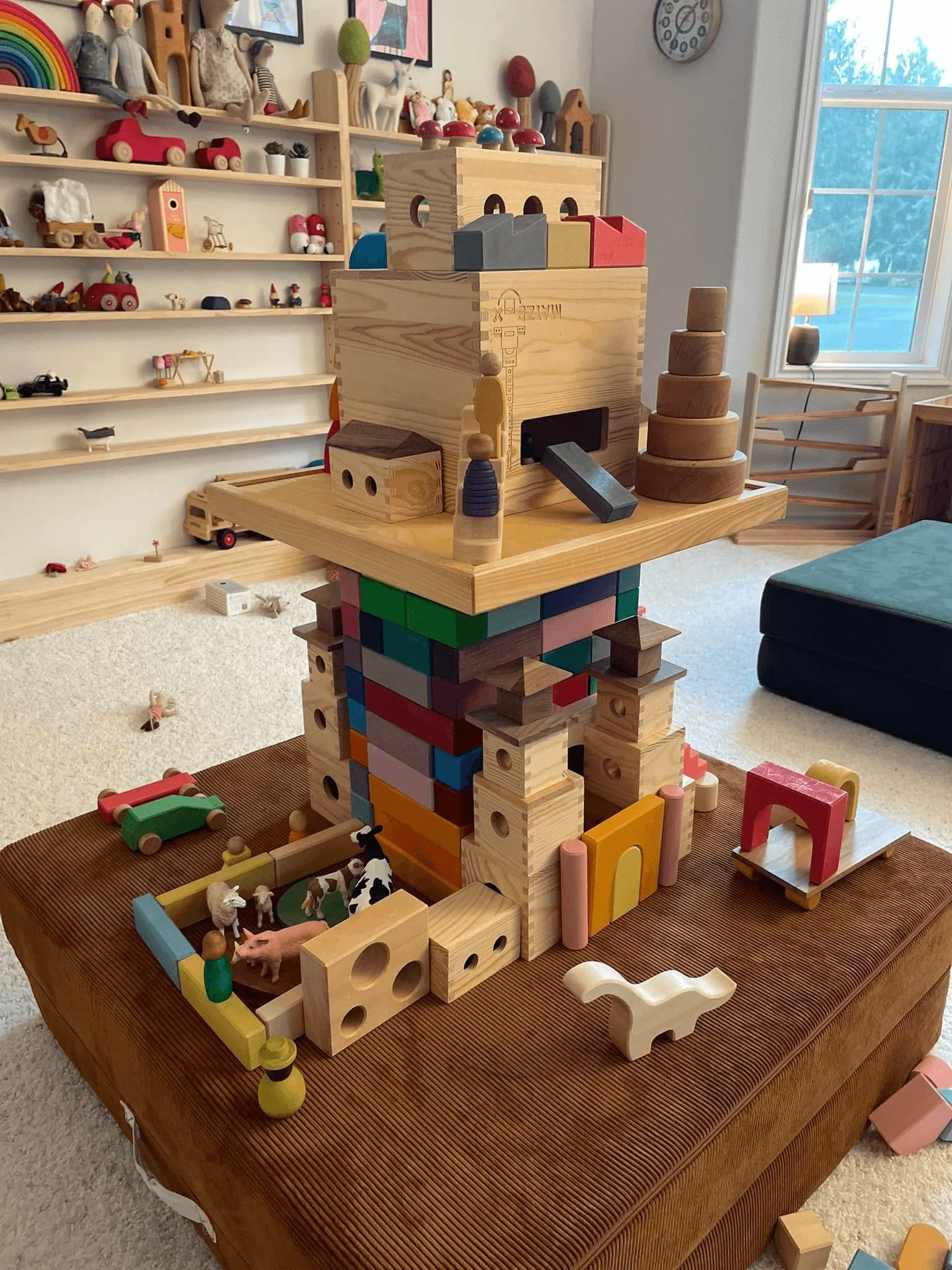
有人常說玩具選擇越少,孩子才會主動去玩,其實,我反而覺得重點不在於玩具的數量多寡,重點在於玩具的相容性。 如果玩具很多,但是玩法非常的單一,自然而然被使用的機率就非常的少。舉例來說,磁力片,用途就非常廣泛,被小孩寵幸的次數就會自然而然比較高,因為可以搭配很多東西使用,所以即使磁力片數量很多,也不會讓孩子覺得沒興趣。 🙋‍♂️ 那要怎麼樣選擇玩具呢? 盡量挑選「開放式玩具」,即使從寶寶開始就可以引導孩子減少聲光玩具的刺激,利用簡單的開放式玩具,增加幾何還有堆疊及手眼協調的訓練,這些都可以是開放式玩具提供的價值。 像我賣玩具的,玩具相對非常的多,但是因為相容性很大, A玩具可以和B玩具一起玩,而且玩法就變得更廣泛,也更加的深入,自然而然孩子就會花很多時間在獨立玩樂的這件事情上面。 當然每個月還是要適時地去更換架上的玩具,做替換更新,讓孩子能夠有一點新鮮感,也是一個很好的方法。 當家裡的開放式玩具越來越多,自然而然就會訓練孩子在獨立玩樂這件事情上面的時間越來越長,不過一開始必須還是要家長陪同,起了頭之後就讓孩子自由發揮! ‼️另外要注意到一點就是,擺得很漂漂亮亮的玩具或是佈置得很美的玩具,不見得孩子就給你買單,減少自己的設置的時間成本,重點應該是擺在孩子最後投入的程度。 每一次總是有媽媽問我,怎麼樣陪玩?為什麼你總是這麼的有創意呢?其實,慢慢地累積陪玩經驗及了解自己孩子的喜好及興趣,加上自己也必須要享受在玩玩具的過程之中,自然而然孩子就會感受得到。 新的一年,記得每天只要花10到15分鐘「專心」的陪孩子玩,就會有不一樣的變化喔! 想了解更多陪玩或是引導的方式嗎?或是在陪玩的過程中有遇到任何的困難嗎?底下留言告訴我,都可以盡量的為你解答喔!❤️ People often say that the fewer toys a child has, the more they will play. But in my experience, it’s not really about the number of toys—it’s about their compatibility and versatility. If a child has many toys but they can only be played with in one specific way, those toys often get ignored. On the other hand, toys with multiple uses tend to be played with more frequently. For example, magnetic tiles can be combined in endless ways, making them a favorite among kids. Even if you have a large number of them, they don’t lose their appeal because they can be mixed and matched with other toys. How to Choose the Right Toys? 🔹 Go for open-ended toys – Instead of flashy, sound-and-light toys, choose simple toys that encourage creativity, problem-solving, and hand-eye coordination from an early age. 🔹 Prioritize toy compatibility – If Toy A can be combined with Toy B, it naturally extends playtime and encourages deeper, more creative play. This helps kids engage in independent play for longer periods. 🔹 Rotate toys regularly – Switching out toys on display keeps things fresh and exciting. Even familiar toys feel new when they’re reintroduced after a break! As your collection of open-ended toys grows, so will your child’s ability to play independently for longer periods. However, in the beginning, parental involvement is key—start by playing together, and then let your child take the lead! A Beautifully Arranged Playroom Doesn’t Always Mean More Playtime A perfectly organized toy shelf might look amazing, but that doesn’t guarantee kids will be interested. Instead of spending too much time on presentation, focus on how engaged your child is during playtime. I often get asked: 🗨️ "How do you play with your child? Where do you get all your creative ideas?" The answer? Experience and connection. As you spend more time playing together, you’ll naturally understand your child’s interests and preferences. Plus, when you enjoy playing, your child can sense it too! New Year, New Playtime Habits! Start by setting aside just 10-15 minutes a day of fully focused, distraction-free playtime with your child. You’ll be surprised at how much of a difference it makes! Need tips on guided play or facing challenges during playtime? Drop a comment below—I’d love to help! 😊✨

繼續閱讀
盧米家的蒙式佈置

我們來看看盧米媽怎麼樣佈置吧! 其實基本主要的概念,我希望這次一樣維持米拉的房間為閱讀及創作的區域,而盧娜的房間則是比較偏為玩具的區域。 還是老話一句,用最平價的方式也能夠讓孩子學習自主獨立,完成適齡的工作,尤其盧娜兩歲什麼都自己來的階段,能夠讓他自己去完成某樣任務,他就會非常的開心😃❤️ 以下就是每一個區域我使用的家具和工具,如果有任何想問的牌子,都可以在下面詢問我喔! 🌟 廚房區域: 多功能助手塔/ 蒙式每日磁性行事曆/ 蒙式小掃把/2條蒙式擦布/小風扇/計時器/ 不同顏色的抹布/ ikea 推車/ ikea櫃放兒童餐具、餐盤 🌟 米拉房間: 🌟 盧娜房間: Ikea Trofast 玩具收納櫃/ ikea ekenabben 開放式架子/ ECR4kids直立式書架/ 棉質收納籃/ Nuggets 遊戲墊/ ikea Kallax正方形收納櫃/ 百寶袋王收納袋/ 不同尺寸的托盤、棉質收納盒/ 無印良品收納箱 🌟 小孩廁所: 蒙式擦巾/ 洗手筆/ ikea腳踏椅 / 瑪莉莎每日工作責任完成表/ ❤️在這邊,特別想分享一下: 我們總是想要把所有最好的留給孩子,但是千萬別忘了,有了孩子是希望孩子能「參與」我們原本的生活,有了孩子,居住空間一定會有所調整、改變,但是我覺得保有大人的空間,還是必要的,不要把所有的家全部都給了孩子。 Let’s Take a Look at How We Set Up the Space! The main idea behind this setup is to keep Mila’s room as a space for reading and creativity, while Luna’s room is more of a play area. As always, I believe that you don’t need to spend a fortune to create an environment that encourages independence and age-appropriate tasks. Especially now that Luna is at the stage where she wants to do everything on her own, giving her opportunities to complete small tasks by herself makes her so happy! 😃❤️ Here’s a breakdown of the furniture and tools I used for each area. If you have any questions about specific brands, feel free to ask in the comments! 🌟 Kitchen Area: Multi-functional helper tower Montessori magnetic daily calendar Montessori child-sized broom 2 Montessori cleaning cloths Small fan Timer Color-coded cleaning cloths IKEA rolling cart IKEA storage unit for kids’ plates & utensils 🌟 Mila’s Room (Reading & Creativity Zone): Rotating bookshelf (Jiansheng brand) Bean bag chair IKEA Kura reversible bed IKEA Trofast storage unit Crate & Barrel slanted bookshelf IKEA Flisat sensory table Target square storage unit Target kids’ hangers Target clear storage drawers 🌟 Luna’s Room (Play Area): IKEA Trofast toy storage unit IKEA Ekenabben open shelving unit ECR4kids vertical bookshelf Cotton storage baskets Nuggets play couch IKEA Kallax square storage unit Multi-purpose storage bags Trays and cotton storage boxes in different sizes MUJI storage bins 🌟 Kids' Bathroom: Montessori hand towels Handwashing pen IKEA step stool Melissa & Doug daily responsibility chart ❤️ One More Thing I’d Love to Share: We always want to give our kids the best, but let’s not forget—the goal is to let them be part of our lives, not to shape everything around them. Having kids naturally changes our living space, but it’s still important to preserve a space for ourselves as adults. Don’t feel like your entire home has to be a playroom! 😊

繼續閱讀
音素覺察是什麼?

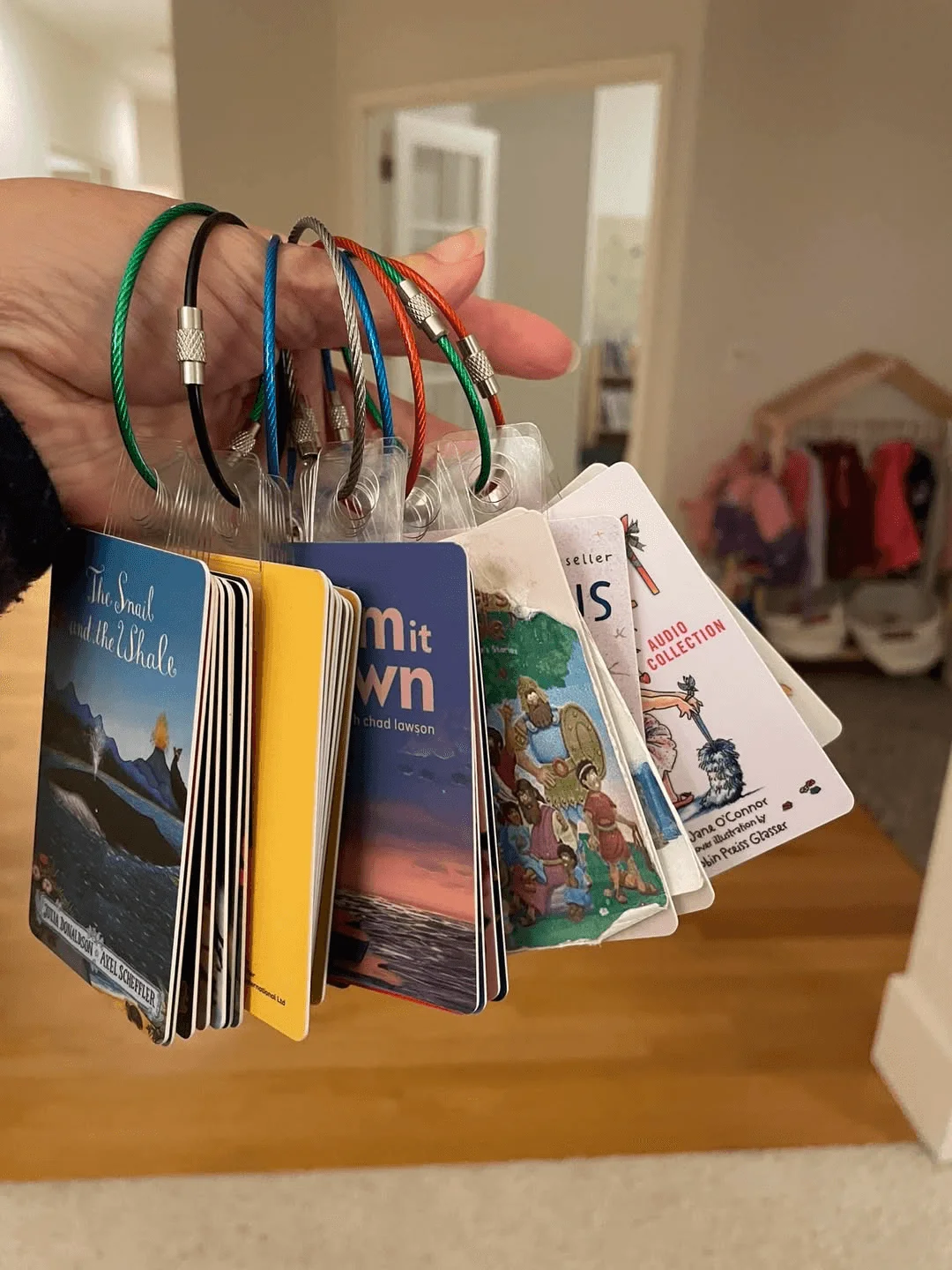
Yoto 很適合作為「音素覺察」的工具,主要是因為它的操作簡單、內容豐富,並且能幫助孩子建立獨立聆聽與語音意識的能力。這對於語言發展、閱讀準備以及整體的語音素養都很有幫助。以下是幾個關鍵原因: 1. 提供豐富的語音輸入,強化音素意識 Yoto 透過高品質的有聲書、故事與音樂,讓孩子長時間沉浸在語音環境中。這樣的聆聽體驗能夠幫助孩子熟悉不同的語音模式、聲音變化與語調,進而提升音素意識(phonemic awareness)。 2. 鼓勵孩子自主操作,增強語音辨識能力 Yoto 讓孩子可以自由選擇想聽的內容,並且透過簡單的卡片操作來播放音訊,這讓孩子能夠主動參與學習過程。在選擇不同故事或歌曲時,他們會不自覺地學習到詞彙的發音、押韻與音節結構,有助於提升音素感知。 3. 無螢幕設計,減少視覺干擾,專注聆聽 相較於螢幕上的動畫或影片,Yoto 採用純音訊輸出,讓孩子的注意力完全集中在「聲音」本身。這有助於他們分辨語音細節,如字母的發音、聲音的對應關係,從而加強語音處理能力,為日後的閱讀與拼讀(phonics)打下基礎。 4. 可搭配 Phonics 相關內容,直接應用在學習上 Yoto 平台上有許多針對 Phonics(自然拼讀)設計的內容,例如字母發音卡、押韻歌曲或英語發音故事,這些資源能夠幫助孩子建立字母與發音的關聯,讓語言學習變得更加直觀。 5. 讓孩子透過重複聆聽強化學習 Yoto 卡片可以反覆播放,這意味著孩子可以多次聆聽同一個故事或歌曲,從而加深對於單字發音、音韻模式的記憶。這種「無壓力」的學習方式特別適合培養語音素養,因為孩子能夠透過多次接觸來內化語音規則,而不是被動接受課堂指導。 6. 適用於多語環境,幫助雙語或多語學習 對於學習雙語(如中英雙語)的孩子來說,Yoto 也可以成為提升英語音素意識的重要工具。透過英語故事、有聲書或語言學習卡片,孩子能夠建立不同語言的語音對應關係,並提升聽力理解能力。 總結來說,Yoto 透過沉浸式的聆聽環境、互動性強的操作方式,以及豐富的 Phonics 相關資源,使其成為幫助孩子培養音素意識的理想工具。這不僅能夠幫助孩子提升語言能力,也能為日後的閱讀與拼音學習奠定穩固基礎。 隨時都可以訂購喔!歡迎私訊 Why Yoto is a Great Tool for Phonemic Awareness Yoto is an excellent tool for developing phonemic awareness because it's easy to use, packed with engaging content, and helps kids build independent listening skills. This is essential for language development, early reading readiness, and overall phonological awareness. Here’s why Yoto stands out: 1️. Rich Audio Input to Strengthen Phonemic Awareness Y oto provides kids with high-quality audiobooks, stories, and music, immersing them in a rich sound environment. By listening to different speech patterns, tones, and rhythms, children naturally develop their phonemic awareness and get better at recognizing sounds. 2️. Encourages Independent Use & Sound Recognition Wi th Yoto, kids can choose what they want to listen to and control playback using simple audio cards. This hands-on interaction makes learning active rather than passive. As they explore different stories and songs, they unconsciously pick up new words, rhymes, and syllables, which strengthens their ability to hear and understand sounds. 3️. Screen-Free Design for Better Focus Unl ike watching animated videos, Yoto’s audio-only format helps kids focus entirely on sounds without visual distractions. This improves their ability to recognize letter sounds and speech patterns, laying a solid foundation for phonics, reading, and spelling. 4️. Phonics-Friendly Content for Hands-On Learning Yoto offers tons of phonics-based content, including letter sound cards, rhyming songs, and pronunciation stories. These interactive materials help kids connect letters with sounds, making learning intuitive and fun. 5️. Repetition Reinforces Learning Yoto cards can be played over and over again, so kids can listen to the same stories and songs multiple times. This kind of repetition helps reinforce word pronunciation and phonemic patterns. Plus, since it’s all audio-based, there’s no pressure—kids learn naturally at their own pace. 6️. Great for Bilingual & Multilingual Learners For ki ds growing up in bilingual environments (like learning both English and Mandarin), Yoto is an awesome way to boost English phonemic awareness. With English audiobooks and language-learning cards, kids can develop strong listening skills and build a solid sound-to-meaning connection in different languages. Final Thoughts Yoto cr eates an immersive, interactive, and phonics-rich learning experience, making it a fantastic tool for helping kids develop phonemic awareness. It’s not just great for improving language skills—it also builds a strong foundation for reading and spelling in the future. ✨ Interested? You can order anytime! Just send me a message. 😊

繼續閱讀
如何學好英文?

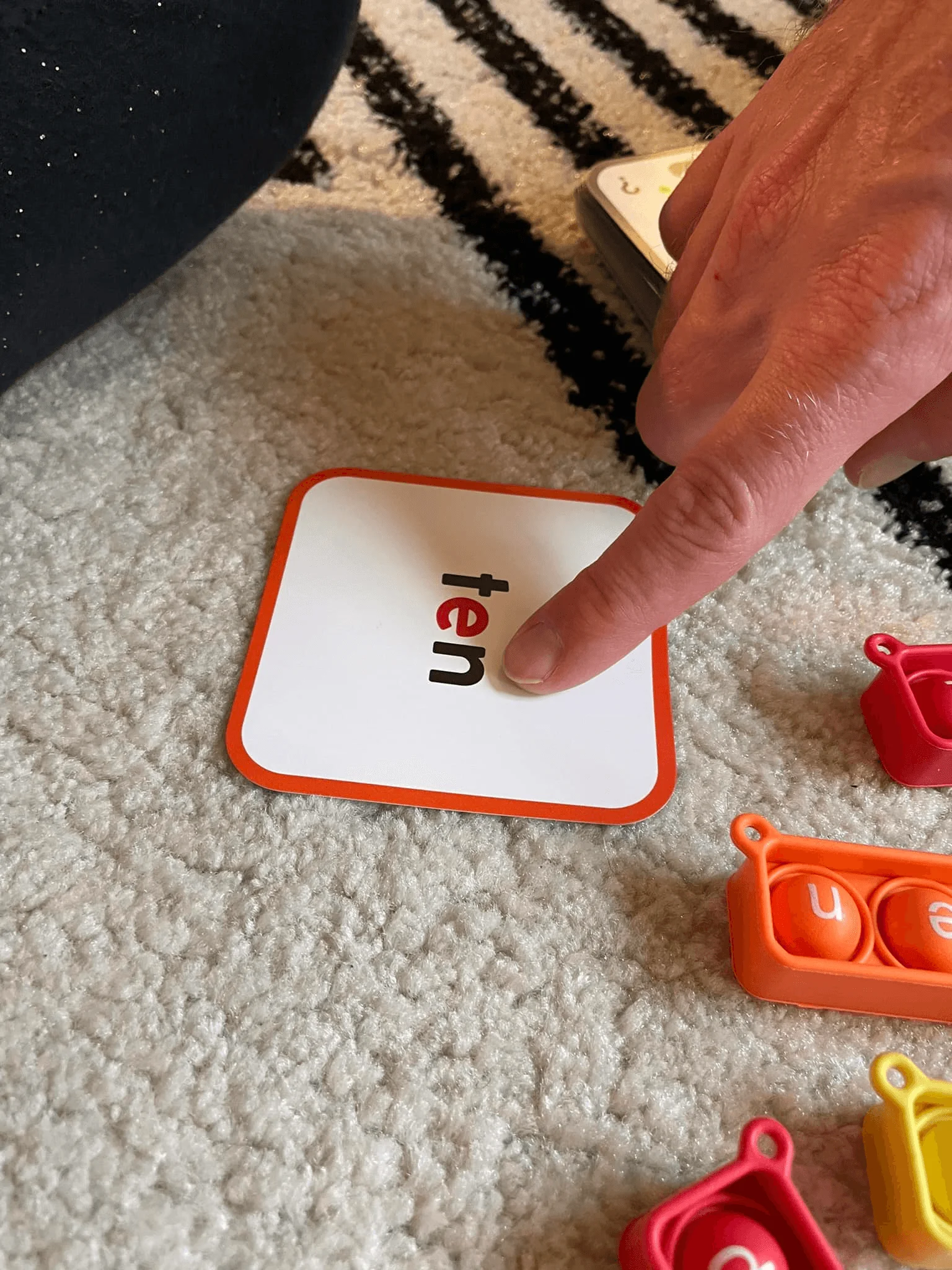
「如果孩子聽和說沒有練起來的話,閱讀和書寫也是練不起來的。」 因為要讓孩子熟悉語感,進而學習閱讀的這個能力,有興趣的朋友不妨花點時間看一下底下這些影片。 📺 https://youtu.be/jRxdlguhSzk?si=EwUa2159d6Tb7ELl📺https://youtu.be/sUxffTDH8LQ?si=8xGLC0XDXG_2sdfX 米拉他們的學校在教授英文的時候也是用這種方法,讓孩子看到字母的時候,能夠自行地發出每一個字母相對的聲音,在進而自己拼湊起來發出單字的音調。 我記得他們學校的老師曾經和我說過一句話,我們把所有的基本功都練好,到時候等他們升上高年級,閱讀能力自然而然就會被訓練起來。 但閱讀一定是先從聽跟說累積起來的能力,台灣學習英文對我來說永遠缺乏的不只是環境而已,還有我們跳過了最基本的語感練習,也就是影片所說到的「音素覺察」,所以讓孩子能夠天天接觸英文,是我為什麼這麼推薦Y盧米媽Yoto代購及分享 除了「音素覺察」之外,還要慢慢地打基礎,也就是自然發音的練習及重複使用,讓孩子不只是死背,而是自己把聲調拼出來,進而到讀寫的時候,可以自己寫出來。 未來我有也一套我們自己已經使用一陣子的英文CVC的桌遊要推薦給大家,能讓孩子在學英文的過程更科學化,而不是死記而已。 To help children develop a strong sense of phonemic awareness and eventually build their reading skills, I highly recommend taking some time to watch the videos below: 📺 https://youtu.be/jRxdlguhSzk?si=EwUa2159d6Tb7ELl📺https://youtu.be/sUxffTDH8LQ?si=8xGLC0XDXG_2sdfX At Mila’s school, they use this same approach when teaching English. The goal is for children to recognize letters and independently associate them with their corresponding sounds, which eventually allows them to blend the sounds and pronounce words correctly. I remember one of the teachers at her school once told me, "If we focus on building a strong foundation now, their reading skills will naturally develop as they move on to higher grades." Reading is built upon listening and speaking skills. In my opinion, English education in Taiwan lacks more than just an immersive environment—it often skips the fundamental step of phonemic awareness, as explained in the videos. That’s why I strongly recommend Yoto players and the Yoto community for daily English exposure. Beyond phonemic awareness, it's also important to establish a solid foundation through systematic phonics practice and consistent repetition. This helps children go beyond rote memorization and learn to blend sounds naturally, which in turn supports their reading and writing abilities. In the future, I’ll also introduce an English CVC word board game that we’ve been using for some time. This method makes learning English more structured and scientific, rather than relying solely on memorization. Stay tuned! 📚✨

繼續閱讀